 DE
DE 
As a certified ClimatePartner , we are committed not only to resource-efficient production and certified materials, but also to financing climate protection projects. For 2026, Gutenberg AG is supporting the combined project "Certified Climate Protection Combined with Additional Commitment", which links climate protection with global marine conservation. In doing so, we are making a concrete contribution beyond our own value creation.
What is behind the ClimatePartner combined project?
A ClimatePartner combined project unites two approaches: On the one hand, a certified climate protection project is financed that reduces CO₂ emissions according to international standards. On the other hand, a concrete contribution is also made to protecting the oceans. Specifically, this means that for every ton of CO₂ saved, 10 kilograms of plastic are collected in coastal regions to prevent it from ever entering the ocean.
Currently, this commitment is combined with an efficient cooking stove project in India. These cookstoves require significantly less wood, thus reducing deforestation and saving emissions. In addition to reducing emissions, the project also improves the living conditions of participating households: indoor air pollution is significantly reduced, and thanks to the more efficient stoves, the time spent cooking and collecting firewood is significantly reduced, especially for women. Similar combinations have previously been implemented with solar energy projects in Namibia and India, as well as other cookstove projects.
Why this project is so important
The oceans are among the most important allies in the fight against climate change: they absorb around 30% of human-caused CO₂ emissions and store enormous amounts of heat. But their function is threatened – by warming, acidification, and above all, by plastic pollution.
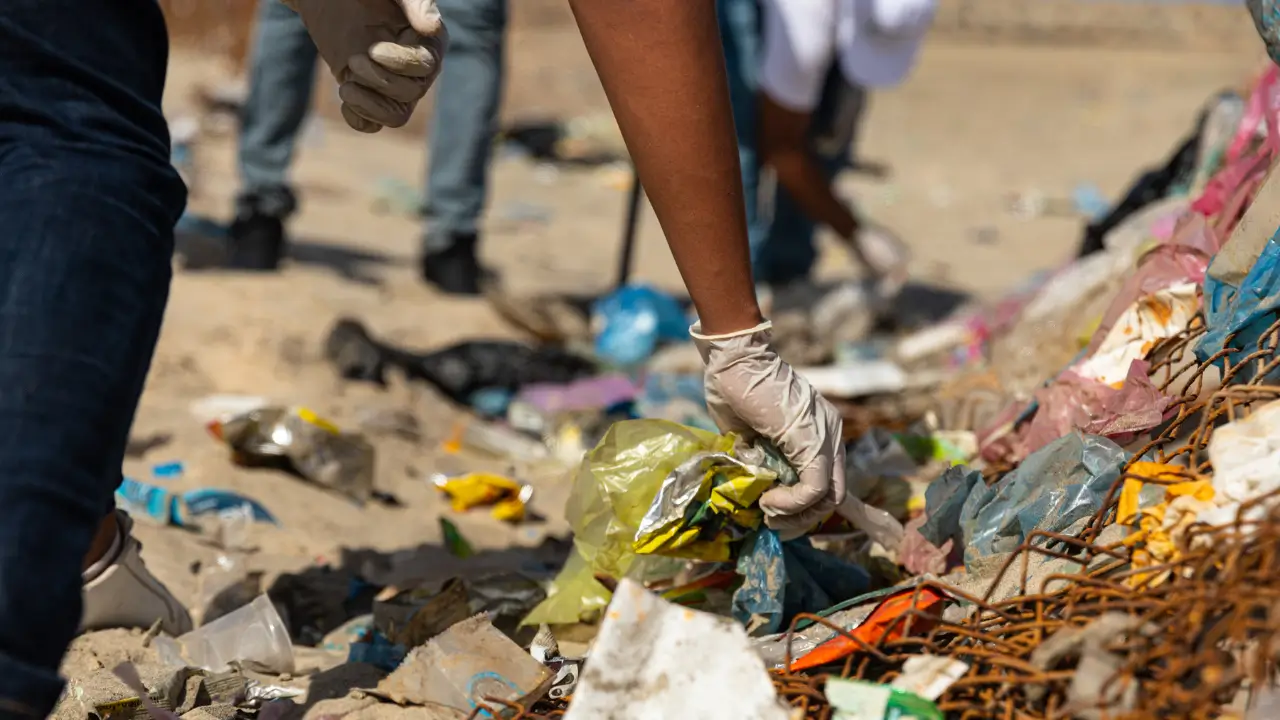
Up to 12 million tons of plastic end up in the ocean every year. The problem is particularly severe in regions without functioning waste management systems. This is precisely where the ClimatePartner project comes in: plastic is intercepted before it reaches the oceans – and at the same time, local structures are strengthened.
How to prevent plastic from ever ending up in the ocean
The project doesn't prevent plastic from entering the oceans through technical barriers in the water itself, but rather at the source: In coastal regions – especially where there is no functioning waste infrastructure – plastic is collected before it can even reach the sea. This is done through the Plastic Bankinitiative, where residents can drop off plastic waste and receive money, goods, or social services in return. This creates an economic incentive to actively collect plastic instead of carelessly discarding it. The project thus focuses on prevention through collection, recycling, and social integration – preventing plastic from ever entering rivers or oceans in the first place.
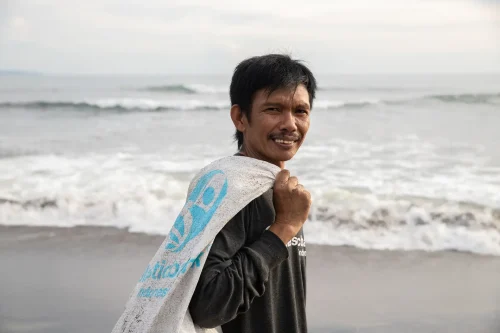
"Since becoming a member of Plastic Bank, I haven't had to worry about my treatment anymore."
– Asis W., member in Bali
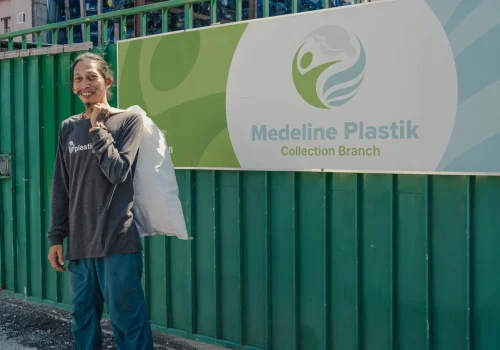
"If handled correctly, plastic can be a source of income for families like ours."
– Haris Sofyan, member in Bali
These voices show that the project not only protects the environment, but also concretely improves living conditions.
Together we can achieve more in the world
Sustainability arises where responsibility is taken. Gutenberg AG in Schaan demonstrates what effective climate protection can look like today – transparent, measurable, and with real added value for the environment and society.
For those who prioritize sustainability in their printed products, Gutenberg AG is the right choice. Together, we are making a contribution – for the climate, for the oceans, and for future generations.
Download our 2025 Sustainability Report here .
Follow us on:


Contact us:
il.grebnetug@eciffo
+423 239 50 50